

Illustrations provide a visual language for stories that words cannot. Images create mood, character and direct the viewer’s gaze through colour, composition, expression, texture and symbolism. One illustration will convey emotion, setting, conflict, or culture instantly, allowing for complex ideas to be accessible and memorable.
Illustration is used in contemporary stories in picture books, comics or graphic novels, in advertising, games, animation, in journalism and in digital media. It can complement and amplify a written text, or even substitute for words in a text. Illustrators can represent events literally, but can also use visual metaphor to express memory, fear, imagination, and/or social criticism.
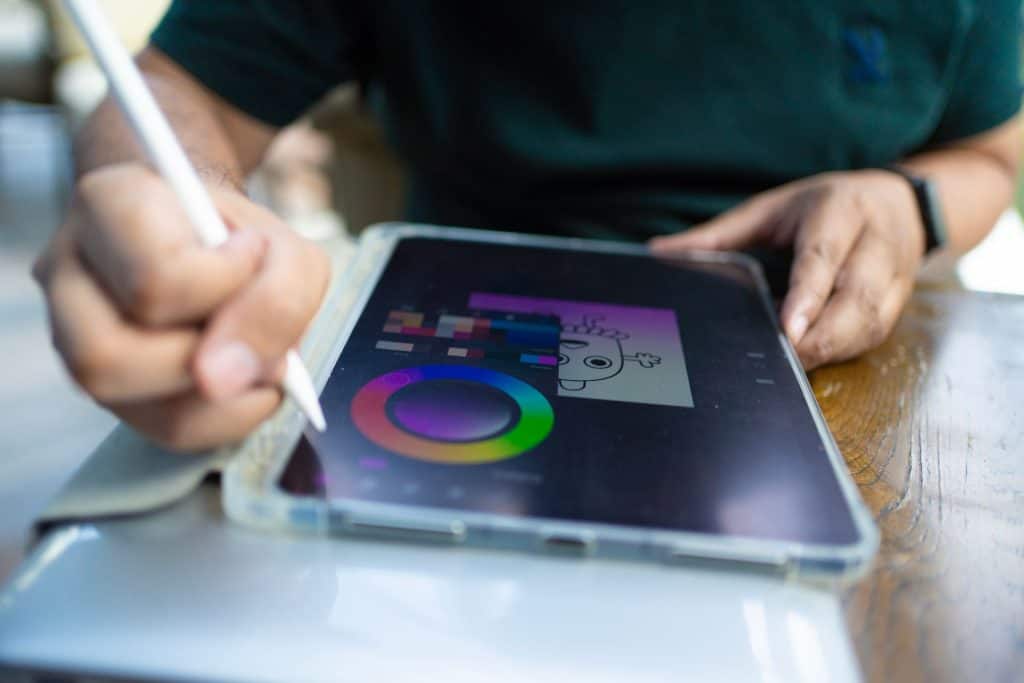
Digital tools have opened up creative avenues by means of animation, interactive design, virtual environments, and quick collaboration. But technology is not an alternative to creative decision making. Still, the best illustration is one that you make by observing, telling a story, and carefully deciding what to show and what to hide.
Purposeful illustration adds meaning – unlike decoration. It encourages readers to make inferences, look for patterns, and to feel the story. Where words and pictures are combined, the illustrations are not just a by-product, but a compelling storytelling device that influences comprehension and enhances engagement.


